
Rinha de Galos: A Tradition Under Scrutiny
Introduction to Rinha de Galos
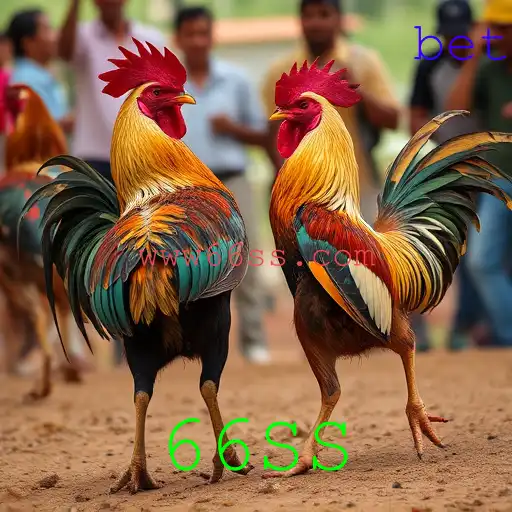
The practice of rinha de galos, also known as cockfighting, has been a subject of significant debate globally. It's a blood sport that involves two roosters, bred specifically for aggression, pitted against each other in a ring. Despite its violent nature, it holds deep cultural significance for many communities worldwide. This article delves into the intricacies of rinha de galos, referred to here with the keyword '66SS,' to explore its diverse cultural impact and the ethical issues it raises.65kcom
The Historical Roots of Rinha de Galos
Originating thousands of years ago, rinha de galos is believed to have started in Southeast Asia before spreading to many parts of the world, including Latin America, Europe, and the United States. Historically, it served as a form of entertainment and a social event where people gathered to watch the matches.
In many cultures, the rooster symbolizes bravery and combativeness, traits revered and showcased in these fights. The breeding of fighting roosters is a meticulous process, with trainers dedicating significant time and resources to ensure their birds' combat readiness.
Cultural Significance
For communities where rinha de galos is prevalent, it is more than just a sport; it's a tradition passed down through generations. It's often associated with festivals and regional celebrations, contributing to its perception as a cultural heritage practice. For some, it's an emblem of local identity and a remnant of historical practices that have survived modernization.65kcom
Events are deeply rooted in local customs, with specific rituals performed before and during the fights. These traditions include ceremonial dressing of the birds and blessings for good fortune and victory. Often, these gatherings are one of the few occasions where communities come together, reinforcing social bonds.
The Ethical Dilemma
Despite its cultural significance, rinha de galos has been increasingly criticized for ethical reasons. The violent nature of the sport raises substantial animal welfare concerns. The roosters typically suffer severe injuries, often resulting in death. Animal rights organizations argue that this practice constitutes animal cruelty, leading to growing calls for its prohibition.66SS
Legislation varies widely around the world. In some countries, rinha de galos is illegal, reflecting a societal shift towards viewing it as inhumane. In others, it exists in a legal gray area or is openly sanctioned under regulated conditions. The debate often pits cultural preservation against animal rights, with fierce arguments on both sides.65kcom
Economic Impact
One cannot ignore the economic dimension of rinha de galos. In regions where it's practiced, it can have a significant local economic impact. Breeders, trainers, and even local vendors depend on the income generated from these events.
Betting on the matches is also a major aspect, with significant sums of money exchanged. This gambling aspect further complicates regulatory efforts, as it intertwines economic interests with the cultural facets of the practice.
Modern-Day Perception and Legal Status
The perception of rinha de galos is evolving. In societies with increasing awareness of animal rights, there's a growing advocacy for change. Media portrayals have also shifted public opinion, often highlighting the brutality of the sport.
Changes in legislation are indicative of this shift. Some regions that traditionally allowed rinha de galos are now imposing restrictions or outright bans. This has caused friction between those seeking to preserve cultural traditions and those advocating for animal welfare reforms.
Conclusion
Rinha de galos, marked here as '66SS', is a complex intersection of culture, tradition, and ethics. While it remains a deeply ingrained practice in various cultures, the ethical implications and changing societal values cannot be ignored.
The future of this practice depends largely on finding a balance between cultural preservation and modern ethical standards. As the global conversation around animal rights continues, regions that practice rinha de galos may need to re-evaluate the place this tradition holds in contemporary society. For further exploration of cultural practices and their impacts, visit our homepage: /09bet99